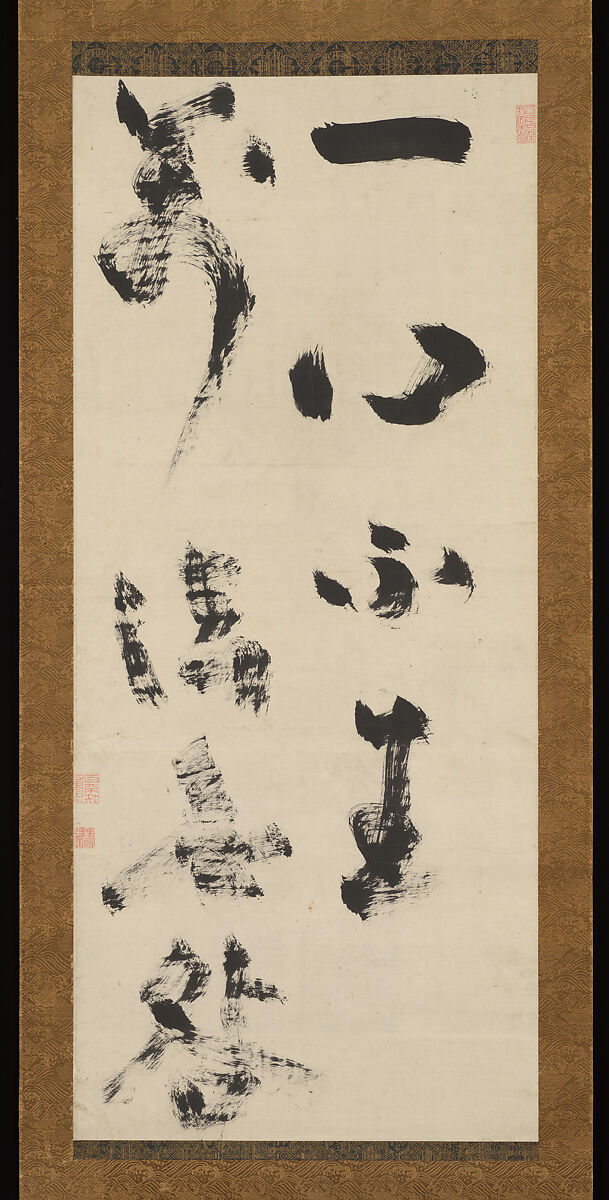
一心不生 萬法無咎
If the “one-mind”
is not roused,
Then ten thousand things
give no offense.
“We say that: If one puts his mind in the action of his opponent’s body, his mind will be taken by the action of his opponent’s body. If he puts his mind in his opponent’s sword, his mind will be taken by that sword. If he puts his mind in thoughts of his opponent’s intention to strike him, his mind will be taken by thoughts of his opponent’s intention to strike him. If he puts his mind in his own sword, his mind will be taken by his own sword. If he puts his mind in his own intention of not being struck, his mind will be taken by his intention of not being struck. If he puts his mind in the other man’s stance, his mind will be taken by the other man’s stance. What this means is that there is no place to put the mind. A certain person once said, “No matter where I put my mind, my intentions are held in check in the place where my mind goes, and I lose to my opponent. Because of that, I place my mind just below my navel and do not let it wander. Thus am I able to change according to the actions of my opponent.”

Takuan Soho | The Unfettered Mind: Writings from a Zen Master to a Master Swordsman
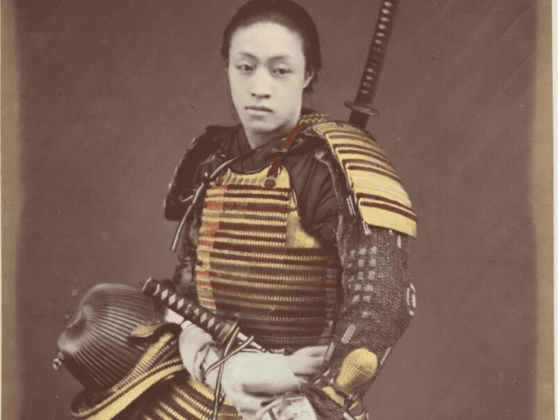
Takuan Soho was a Zen Philosopher, born in 1573, passing in 1645. He knew The Way, and trained with the sword, but was not a samurai himself.
He was a friend and mentor to the legendary samurai, Miyamoto Musashi, who wrote The 21 Rules of Walking Alone.
He also invented the pickle.
Soho wrote ‘The Unfettered Mind’ in the early 17th century with the first publication of his work in 1644. He wrote for the samurai class and espoused combining Zen-Buddhism philosophy with martial arts. He emphasized the concept of Mushin (無心), meaning ‘no-mind’ which is the state of having a clear mind.
Having a mind without thought is Mushin, which is the correct, optimal state for the mind. It should be the default mind-domain setting for all wanderers.
It’s okay to think and hear your thoughts, but if the thoughts are rendering uncontrolled, you must settle your mind in that moment.
The uncontrolled mind is chaos. It’s a glass full of sand, swirled, so the water is brown and messy. When the mind is calm, the sand rests at the bottom of the glass, and the water is clear, the water is pure. Purity of mind is calmness of mind; we want pure minds at all times.
Where One Puts The Mind
If one does not put the mind away, it will run wild. Like a dog, the mind should be in its crate unless it is being used for a particular function, like solving a problem.
Soto states that there is “no place to put the mind”. He also states that if you put your mind on your opponent’s sword or body, your mind will be taken by the opponent’s sword or body.
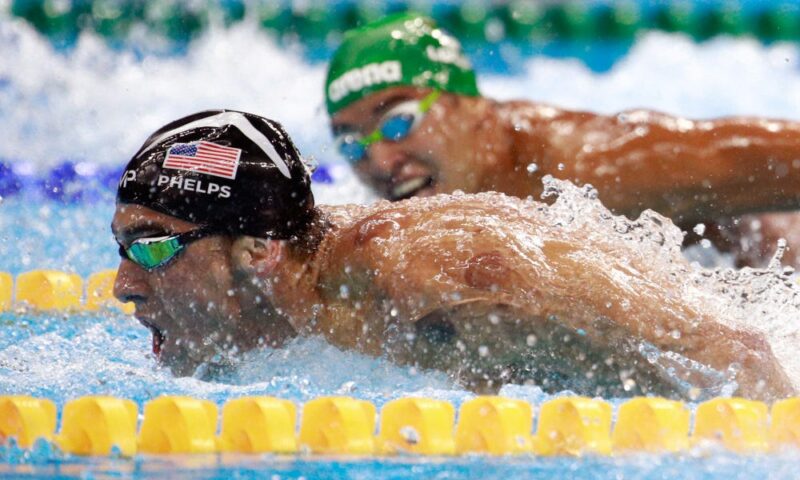
The mind has an eye that is the focal point for the mind, the focus point. If you meditate thoroughly you can control the mind’s eye and what it focuses on–you can settle the sand in your glass and keep your mind pure.
Bodybuilding culture espouses the “mind-muscle” connection and its dramatic effect in making the bodybuilder stronger. The bodybuilder puts their mind in the muscle they are working; when they do this their mind is clear, because the focal point of the mind is not in a place where it can generate thought.
When the bodybuilder uses the mind-muscle connection when using an ab wheel, putting the mind into the abdominal muscles, they feel every fiber while maintaining a pure, thoughtless mind.
RELATED: Yukio Mishima Learned That The Way You Train Body and Mind is Exactly The Same
The focal point is almost like the key for the mind to think. If you do not have the key inside of your head, you will not generate thoughts.
If you put the focal point of the mind in the muscle while training, the muscle will train properly because the muscle is focused, powered by the mind’s focal point activating it.
A default place for the mind to go
Soho places his mind just below his navel, AKA his belly button. This is a default resting place for the mind similar to a crate for the dog. Placing your mind below the navel removes thoughts from your mind so you may have purity of mind.
The wanderer must pursue purity of mind at all times.
The lower abdominal area is known as the Hara (丹田, Tanden), considered the body’s center of gravity and a focus point of balance and power, making it an ideal location to put the mind.
By placing your mind below the navel, you align with the Zen concept of Mushin(無心)(no mind).
The place of no mind means no suffering as the mind creates suffering for the body, mind, and spirit. You can experience heaven on earth if you control the suffering your mind wishes to apply to you.
At all times your mind must be controlled, and you must be diligent in keeping your glass of water pure, by letting the sand settle at the bottom of the glass.
This is a mind domain tenet.
If at any time your sand(mind) is unsettled, you must settle it. A settled mind is organized and capable of moving down the path with greater expediency than a mind shrouded in chaos and murk.
We think you will like: