
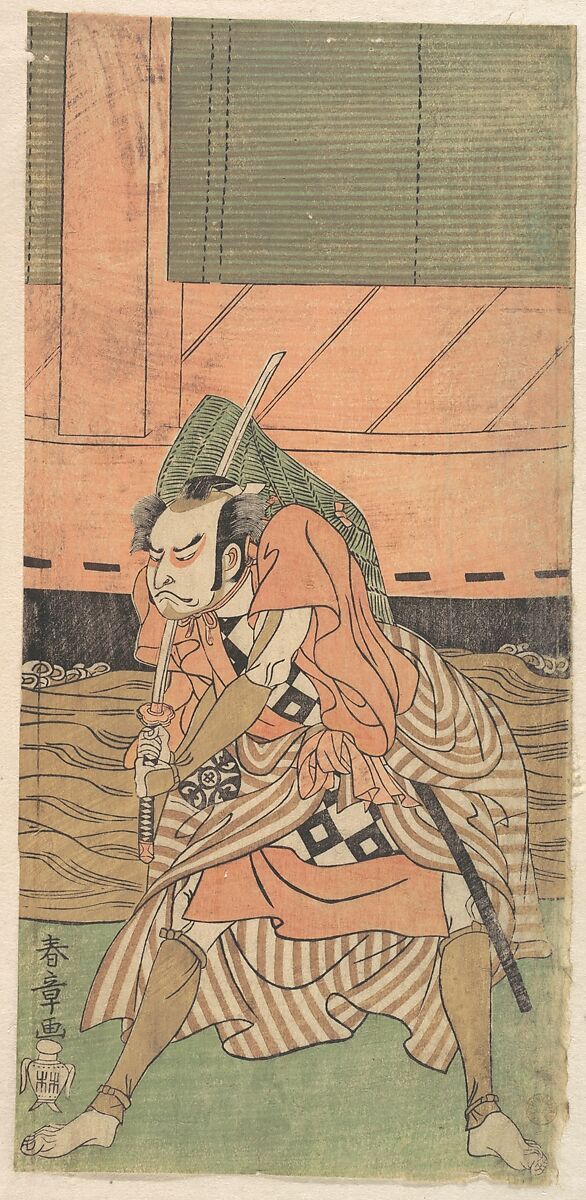
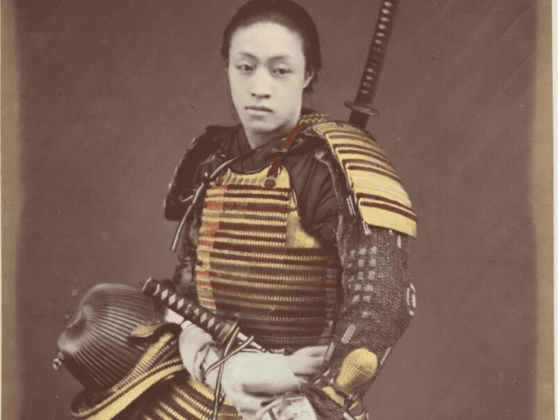
Bushido is the code and philosophy of the samurai. We’re lucky to live in a time where Bushido philosophy can easily be acquired in numerous formats like books, podcasts, videos, and more.
The Bushido code was a preparation to have a good death. To the samurai, dishonor was worse than death. Samurai would offer up their lives via seppuku which was a means of cleansing the soul of past transgressions and shame, and to preserve honor. It was believed that a voluntary, honorable death would give the samurai a better chance at a good life during the rebirth cycle of reincarnation. This belief comes from the two religious influences on Japan during the era: Shintoism and Buddhism.
The practice of Seppuku continued until 1873 when it was formally outlawed during the Meiji restoration where Japan quickly transformed from a feudal samurai society, into a modern country akin to the west during the 19th century. Seppuku was banned in an effort to eliminate the samurai class that was attached to the Bushido way and resisted the change to the modern way.[1]
The Samurai were a ultra-disciplined social class lasting from the 12th century to the 19th century–roughly 700 years– until the period of the Meiji restoration.
The samurai needed discipline for combat, but also for political and social duties like maintaining order in their fiefdom, collecting taxes, and other non-warring responsibilities. The samurai represented their lord at all times, serving them in life and in death, so it was crucial to be disciplined and professional at all times.
With 700 years of history, there are countless samurai texts and many of them have wisdom that is still applicable today. The books below are based on the samurai; some written in the modern era, and some, like the Hagakure, were written during the samurai era.
Hagakure
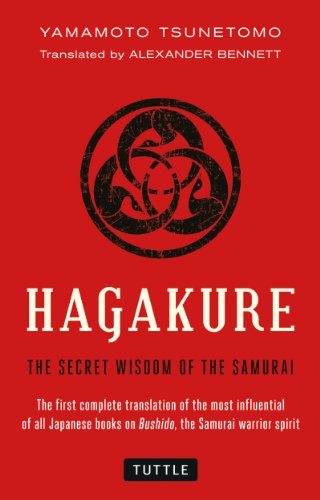
Hagakure translates into hidden leaves, which was likely referencing that the tome was limited to the samurai, and was not meant to be read outside of the class. The author, Tsunetoma Yamamoto, was an 18th century samurai who later became a hermit when his lord, Nabeshima Mitsushige, passed away. Yamamoto either did not want to serve another lord, or found the notion disgraceful, desiring to remain loyal to lord Mitsushige. By becoming a hermit he could still serve his lord in the afterlife, known as Junshi.
Yamamoto wrote Hagakure during his hermitude which was the second phase of his life
The Book of Five Rings
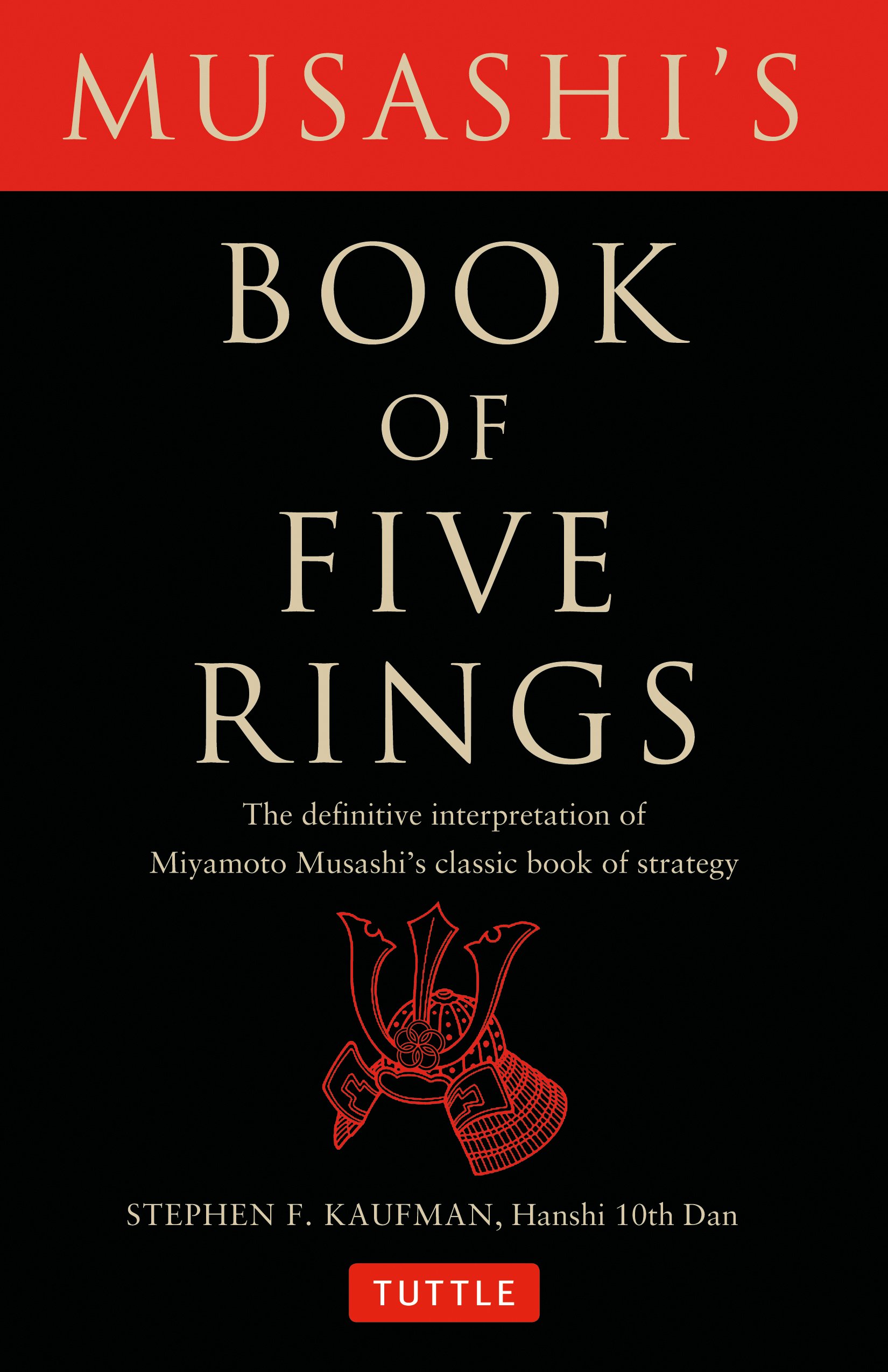
The Book Of Five Rings | Miyamoto Musashi
Miyamoto Musashi is known as the greatest swordsman in Japanese history.
He fought in 63 duels and remained undefeated. He also fought in numerous skirmishes while under the employee of a daimyo, with the exact number remaining unknown. Three battles are the estimate.
He killed his first man in a duel around the age of 13, but the exact year is unknown. He also fought in a duel wielding a wooden oar Musashi carved into a sword against an opponent’s sword. He beat the man to death with the oar. The book of five rings was completed in the year 1645, the same year of Musashi’s death.
The Code Of The Samurai
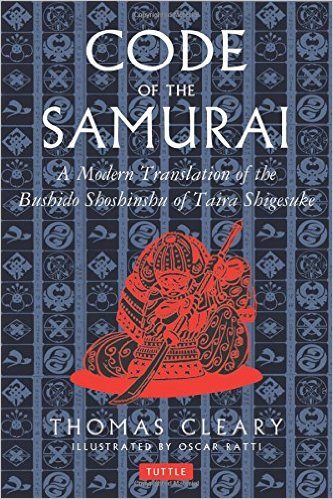
Code Of The Samurai | Thomas Cleary
Code of the samurai is a modern translation of the book, Bushido Shoshinshu, written by Taira Shigesuke, also known as Daidoji Yuzan in the early 17th century. Bushido Shoshinshu translates into Bushido for beginners, and is a philosophical instruction manual for how a samurai should behave at all times. It was published in 1835, after the death of Shegesuke.
The wisdom is aimed at how lower and middle-class samurai should conduct themselves, and the methods to live the bushido code. There is wisdom contained inside that can be applicable to any era, including the modern one.
Bushido Soul of Japan
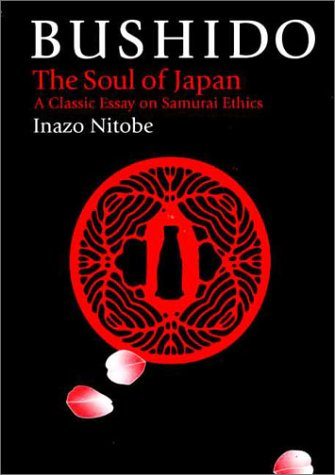
Bushido was written in the early 1900’s by Inazo Nitobe; a Japanese man living in America. The Soul of Japan is a controversial book in America because it influenced the spirit of Japanese soldiers during world war 2. This shows that wisdom from the past can be used in modern eras, no matter the era; Bushido has value today, even if you aren’t a samurai or familiar with the philosophy.
Nitobe covers more than Bushido in this book. The title may be misleading, as Bushido reads as a confessional of sorts involving the rapid change of the budding country of Japan. Beyond Bushido, the Soul of Japan covers religion, historic events, and various anecdotes that offer serious depth into formulating a true picture of what Bushido is.
Even though this book may not contain the utmost warrior context, the beauty in Bushido is in its talent of tying together all of the components of Japan & the way of the Samurai.






7 comments
I always liked the samurai, even as a kid, I didn’t know why but today I know why.
Men are always inspired and impressed by masculinity, even the low-t faggots.
They secretly watch star-wars to see obi wan live by honor to kill some corrupt sithturds.
Bushido was highly interesting for me once, read two books about it.
Hello,
Thanks for this amazing article, it helps me a lot in order to achieve my memoire about the following subject : the influence of the Bushido on the current japanese society.
I hope you’ll keep doing such good article about this astonished subject.
P.S : sorry about my english, english isn’t my monther tongue and i keep practicing it, such as martial art, in order to become better.
Happy to help. Good luck on your paper.
Thank you for the list!
I have a deep & abiding respect for the code of Bushido. Ideally, its adherents achieve profound self-knowledge through spiritual, physical and mental growth. I think the prohibition of Samurai was a double edged sword: despite the brutality of the samurai, their traditions, tenets, discipline, community and pride were ultimately irreplaceable.
Nice to meet you.
My name is Keika Sakaguchi, and I am a Japanese historical writer.
This article is really wonderful. Especially, the explanation of Musashi’s life and way of life is very easy to understand. I was also impressed by the explanation that Nitobe Inazo’s book deals with more than bushido.
I am also publishing a book about samurai in English translation on my Kindle. I would be very happy if you could use it as a reference for your article.
Thank you very much.
Can you send a message on the contact page here so we can start a conversation?
https://www.andreian.com/contact/